Indoor Plant Pots That Work with Your Furniture
Choose indoor plant pots through drainage arrangements, stability, dimensions and easy watering while protecting everyday household surfaces.
Our guidance is based on published information and household scenarios, rather than hands-on product testing. Some links may earn a commission when an affiliate relationship applies. Read our disclosure.
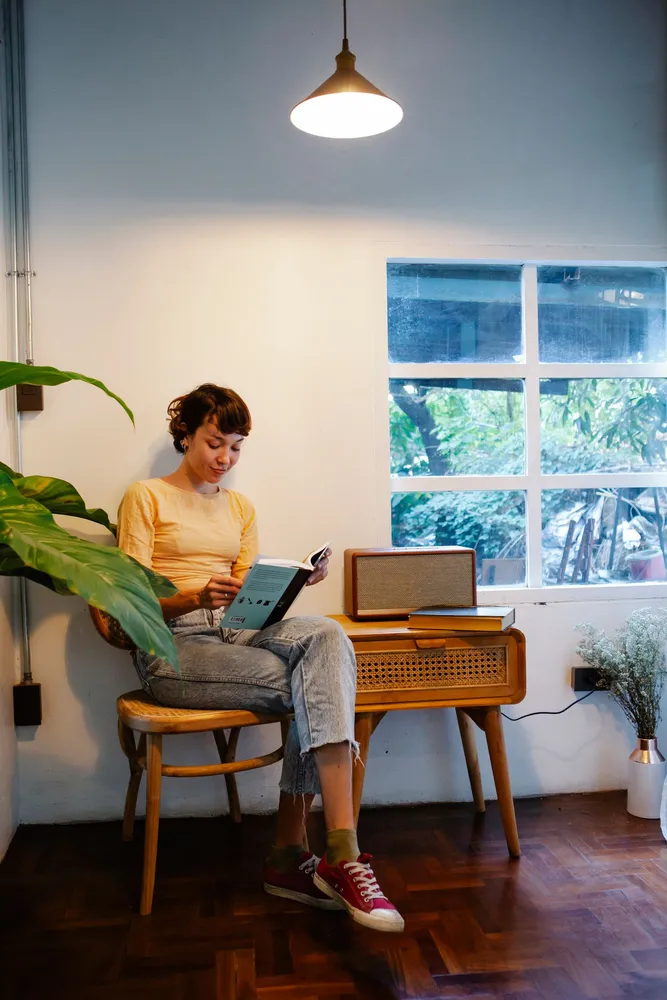
Lifestyle photography by Dan Hadley / Pexels. The photograph illustrates a home setting; it does not identify a reviewed product.
A plant beside the sofa can make a room feel lived in, but watering should not become a guessing game over a favorite wood table. The pot needs to fit the plant's existing container, hold a stable position and make its drainage arrangement clear. Begin with where watering will happen and how the furniture beneath it will stay dry, then choose a finish you enjoy.
In this guide
Separate the growing pot from the decorative pot
A decorative cachepot can hold a nursery pot without being the place where the plant grows directly. Check whether the outer pot has drainage and how the inner container sits inside it. The two pieces should be understood as a system rather than assumed to have the same function.
Measure the nursery pot's widest point, height and any projecting rim. Leave enough access to lift it out if that is part of the watering routine. A decorative pot that fits very tightly may look neat but make removal difficult. Choose the actual dimensions you need rather than a nominal pot size that may be described differently across sellers.
Plan watering away from vulnerable surfaces
If you remove the inner pot for watering, choose a location where excess water can drain according to the plant's needs before it returns to the display. If the arrangement stays in place, check how you will prevent standing water and damp contact with furniture. This is a practical household setup, not a substitute for the plant's care guidance.
Read the outer pot's material and use instructions. Do not assume every decorative vessel is watertight or suitable for direct planting. Use an appropriate arrangement that keeps the support surface dry, and check it regularly. A concealed puddle is easier to miss when the decorative container prevents you from seeing what is happening underneath.
Choose a stable position in the room
Consider the full height and width of the plant as well as the pot. A tall arrangement near a frequently used path may be easy to knock. A small surface needs enough room for the pot base without balancing it at the edge. A plant stand should be suitable for the stated load and used according to its instructions.
Light and plant care needs also affect location, so choose the plant and placement together with suitable authoritative guidance for that particular plant. Avoid buying a large pot first and assuming any plant will suit the corner. Keep leaves and containers away from activities that repeatedly brush against them, and account for pets or children using the room.
Make routine checks easy
Place the pot so you can see and access it without moving several fragile objects. If the arrangement is difficult to inspect, maintenance may be postponed. A simple outer pot with enough clearance can be more useful than a decorative vessel that requires careful dismantling every time the plant needs attention.
Follow the manufacturer's instructions for cleaning the pot and stand. Inspect the furniture surface and any saucer when you care for the plant. Choose an arrangement that allows those checks without lifting an awkward load. A calm-looking plant corner is easier to maintain when the practical pieces remain visible or accessible rather than hidden behind elaborate styling.
Buy the container before the whole collection
Compare inner dimensions, drainage information, intended use and delivered cost across a small shortlist. A decorative pot that does not accommodate the existing growing container may require another purchase or an unnecessary repotting decision. Do not add matching pots just to create a display before the first arrangement works.
Set up one plant safely and assess its place in the room. If you want a group later, vary the position deliberately and keep access to each container. A stand, saucer or protective support is useful only when appropriate to the materials involved. The best-looking finish is a secondary choice after the watering arrangement and stable placement are understood.
Compare your options
| Option | Best fit | Tradeoff |
|---|---|---|
| Outer cachepot with removable nursery pot | A clear separate watering routine | Needs clearance for removal |
| Plant pot with an appropriate saucer | A drainage arrangement that can be inspected | Water management remains necessary |
| Pot on a suitable stand | Raising a plant from the floor | Stability and load guidance must be checked |
Where to browse
Use these retailer collections to compare dimensions, materials, care instructions and current prices. These are ordinary retailer links unless an active affiliate arrangement is disclosed. We do not control availability, shipping or returns.
Questions before you buy
Are all decorative plant pots waterproof?
No. Check the specific product's description and intended use. A decorative vessel may need a separate inner pot or another appropriate water-management arrangement.
Should I buy a much larger pot for future growth?
Choose using appropriate guidance for the particular plant and your container arrangement. Extra decorative space is not a substitute for a considered growing-pot decision.
Sources & further reading
Sources checked October 8, 2026. Practical suggestions reflect editorial judgment; always follow the instructions supplied with your own product.