A Laundry Hamper That Fits a Small Apartment Routine
Choose hamper capacity, handles and ventilation around the trip from bedroom to washer and the loads you can realistically finish.
Our guidance is based on published information and household scenarios, rather than hands-on product testing. Some links may earn a commission when an affiliate relationship applies. Read our disclosure.
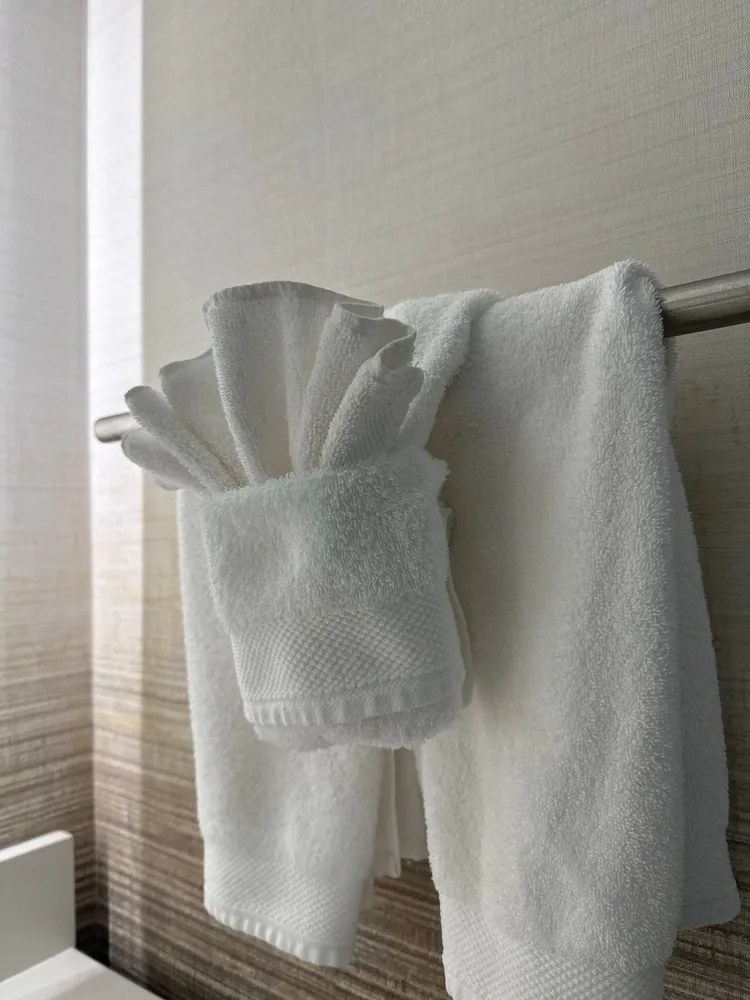
Lifestyle photography by Shereese Kalawa / Pexels. The photograph illustrates a home setting; it does not identify a reviewed product.
A hamper can make the bedroom look calmer while making laundry harder to move. The problem appears on wash day, when a large full basket has to pass through a narrow door and down a flight of stairs. Choose around that journey and the amount you can finish in one session. A container that supports loading, carrying and emptying is more useful than one that merely hides the largest possible pile of clothes.
In this guide
Map the trip from clothes to washer
In a small apartment, the hamper might live in the bedroom while the washing machine is downstairs or across a courtyard. Trace that journey before buying. Note doorways, stairs and the moment when you need a free hand for a key. A beautiful rigid basket is less useful if you cannot carry it comfortably through that route. If the laundry is shared, a removable bag may keep transport simpler while the outer hamper stays at home. Measure both the storage corner and the narrowest doorway.
Match capacity to a completed load
A very large hamper can hide the fact that laundry has been waiting for too long. Choose capacity around the loads you can wash, dry and put away in a normal session. The washer’s instructions still determine a suitable load; the hamper is not a measuring device for packing the drum tightly. A smaller household may benefit from one manageable container and a separate place for special care items. More compartments are only helpful when each one corresponds to a real sorting habit rather than an imagined ideal routine.
Inspect handles and removable parts
Look at how the handle is attached and how it feels when the container holds clothes. Wide grips can be easier to hold than narrow cutouts, but the best choice depends on your hands and route. A removable liner needs a clear washing method and a secure way to reconnect. Fabric bags may fold flat but can lose shape while loading; rigid containers keep their opening visible but occupy more permanent room. Check whether the base is appropriate for the floor and whether a lid can open fully in the intended corner.
Keep damp items out of a closed pile
A hamper should not become the landing place for wet towels folded into a dense stack. Give damp textiles appropriate drying space before holding them for laundry, and follow their care instructions. Ventilated sides do not guarantee that a crowded wet pile will dry well. Separate items that need special handling rather than assuming one mixed load can solve everything. Make emptying and wiping the hamper part of the routine when needed. The container itself can collect lint and debris even when its main job is carrying clothes.
Evaluate it after two laundry cycles
After a fortnight, check whether you carry the hamper or simply move clothes into another bag. If the latter happens repeatedly, a lighter basket or removable liner may serve you better. Notice whether the lid becomes a surface for clutter or whether compartments stay unused. Resist adding a second hamper before understanding the first one’s limitation. Your goal is a clear route from worn clothes to clean storage, so judge the purchase by how reliably it supports that sequence rather than how many items it can conceal.
Before you place an order
Check external dimensions, usable opening, loaded handling and whether the liner is removable. If you need to carry it down stairs, a clear comfortable grip deserves priority over a decorative lid. Read the liner’s care instructions and check whether replacement parts are available when relevant. A divided design can help established sorting habits but reduce each compartment’s usable size. Compare capacity with your normal completed loads, not with the maximum clothing pile you could accumulate. Before ordering, confirm the return policy for a fit dependent purchase and rehearse the footprint beside your wardrobe. Leave enough room to open doors and approach the hamper without moving other furniture.
- Capacity matched to a realistic laundry session
- Comfortable handles for your route
- Care instructions for liners or fabric parts
- Ventilation and a plan for damp textiles
Try it during an ordinary week
For a shared laundry room, rehearse the trip with your current basket or bag before purchasing. Notice where you need a free hand, whether the load feels manageable and where the empty carrier waits while the washer runs. A removable bag may simplify that route, while a rigid basket can make unloading and folding easier when the journey is short. If the hamper fills faster than laundry gets finished, revise the schedule or load size instead of simply buying a taller container. Leave a clear place for items requiring special handling so convenience does not erase the care information at the start of the process.
Compare your options
| Option | Best fit | Tradeoff |
|---|---|---|
| Rigid ventilated basket | A short trip to a home washer | Takes permanent space |
| Hamper with removable bag | Shared laundry rooms | Bag attachment needs maintenance |
| Foldable fabric hamper | Occasional or flexible storage | Shape and carry comfort vary |
Where to browse
Use these retailer collections to compare dimensions, materials, care instructions and current prices. These are ordinary retailer links unless an active affiliate arrangement is disclosed. We do not control availability, shipping or returns.
Questions before you buy
Is a divided hamper necessary?
Only if its compartments match how you actually sort laundry. A single basket plus a separate special care bag may be enough.
Should I buy the biggest model that fits?
Capacity should support finishing laundry, not just storing more of it. Compare carrying comfort and washer guidance too.
Sources & further reading
Sources checked October 8, 2026. Practical suggestions reflect editorial judgment; always follow the instructions supplied with your own product.