Laundry Sorting Without a Room Full of Baskets
Use care labels and a realistic washing schedule to create a simple sorting system that keeps special handling items visible.
Our guidance is based on published information and household scenarios, rather than hands-on product testing. Some links may earn a commission when an affiliate relationship applies. Read our disclosure.

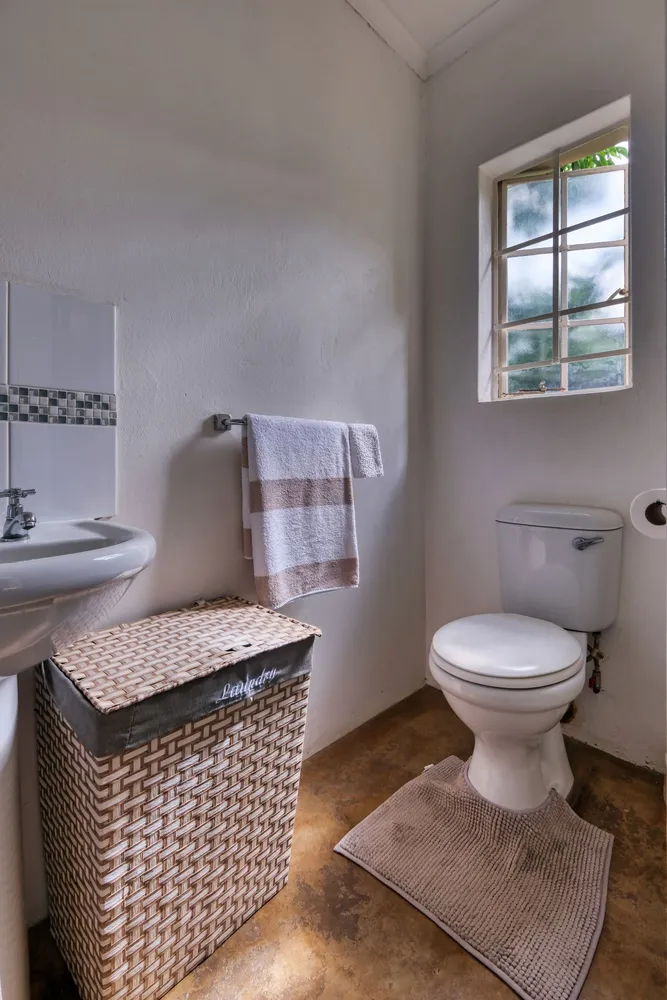
Lifestyle photography by Ron Lach / Pexels. The photograph illustrates a home setting; it does not identify a reviewed product.
Sorting becomes frustrating when the household owns a compartment for every imagined wash category but still leaves special care clothes in the wrong pile. A useful system starts with the loads you really run and the instructions on the garments you own. Make exceptions visible and connect sorting to the drying and putting away stages. This keeps laundry moving through a small home rather than turning baskets into long term storage furniture.
In this guide
Start from care labels and actual loads
A large sorting station can seem like the answer to piles of clothes, but its compartments are only useful when they match the washing you do. Read garment care labels and identify the groups that need different handling. Consider color, fabric, soil level and the washing instructions rather than relying on one universal rule. A household with uniforms and delicate knitwear may need a different plan from someone who mostly washes sturdy everyday clothes. Build the system around those differences before choosing any baskets.
Separate the exceptions clearly
Special care items are easiest to overlook when they disappear into the main hamper. Keep a small labeled bag or separate location for garments needing a different wash method. A mesh bag can be appropriate for certain items, but it does not override a garment label or make a machine cycle suitable for everything inside. Remove items that require hand washing or professional care from the normal machine load. The aim is to preserve the instruction at the moment of sorting, not to create a shortcut that erases it.
Use temporary sorting space when possible
You may not need a permanent basket for every category. At wash time, use a clear dry surface or a few manageable containers to organize the next loads, then put the containers away. In a small home, flexible sorting protects valuable floor space. Keep laundry clear of food preparation areas and avoid leaving a trip hazard in the hallway. If someone else does the washing, a short written reminder may be more useful than color coded baskets that only one person understands.
Schedule finishing as well as washing
Starting several loads is easy compared with drying and putting them away. Decide which load you can complete today, including its drying method. ENERGY STAR offers clothes washer guidance, including cold water use where appropriate; garment labels, detergent directions and household circumstances still matter. Avoid running a load merely because one compartment is full if you cannot handle the next stage. Fold or hang suitable clothes promptly after drying and return them to storage, so the sorting area becomes available for the next session.
Buy baskets after the routine is visible
After two normal weeks, identify the group that repeatedly waits or gets mixed incorrectly. That evidence can justify an additional basket, labeled bag or small shelf. Look at handles, washable surfaces and capacity relative to the loads you finish. A narrow three compartment hamper may be attractive but each section can be too small for bulky towels. Compare practical capacity rather than the number of compartments. Keep the setup easy to explain so anyone in the household can use it without learning a complicated system.
Before you place an order
Compare compartment capacity with the groups you actually wash and the space required to finish those loads. A hamper with many sections can make each one too narrow for towels or bulky clothing. Check handles, liners and the cleaning method for the container itself. Flexible baskets may take less permanent space but need a sensible place to wait during sorting. A special care bag should be easy to recognize and should preserve the garment instructions rather than suggest a shortcut. Before buying an entire station, try the routine with existing containers. Add only the piece that addresses the recurring confusion or bottleneck you observed.
- Compartments based on real care differences
- Visible storage for special handling items
- Capacity matched to completed loads
- Flexible baskets that fit available floor space
Try it during an ordinary week
For a household that washes on two set days, plan the next complete load rather than sorting every item into a permanent compartment. Use a separate clearly marked place for care exceptions and check labels before loading the washer. Leave enough time to dry, hang or fold the garments according to their instructions. After the session, put temporary sorting baskets away so the floor clears again. If a specific group repeatedly causes confusion, add one label or container that addresses it. The system should be easy for another household member to explain and use, with no dependence on remembering a complicated personal code.
Compare your options
| Option | Best fit | Tradeoff |
|---|---|---|
| Single hamper plus care bag | A small straightforward wardrobe | Sorting happens at wash time |
| Two compartment hamper | Two recurring laundry groups | Less flexible for occasional extra groups |
| Temporary sorting baskets | Limited permanent floor space | Requires setup for each session |
Where to browse
Use these retailer collections to compare dimensions, materials, care instructions and current prices. These are ordinary retailer links unless an active affiliate arrangement is disclosed. We do not control availability, shipping or returns.
Questions before you buy
Does a mesh bag make delicate clothes machine washable?
No. The garment’s care instructions determine the washing method. A bag only provides an accessory for a suitable process.
Should every wash use cold water?
Use a method appropriate to garment labels, product directions and the task. ENERGY STAR recommends cold water as a useful option, but circumstances vary.
Sources & further reading
Sources checked October 8, 2026. Practical suggestions reflect editorial judgment; always follow the instructions supplied with your own product.