Choose a Cutting Board for a Kitchen With Almost No Counter Space
Practical choices for simple meals in a narrow space, with fit checks, everyday tradeoffs, and a buying plan that puts useful features first.
Our guidance is based on published information and household scenarios, rather than hands-on product testing. Some links may earn a commission when an affiliate relationship applies. Read our disclosure.

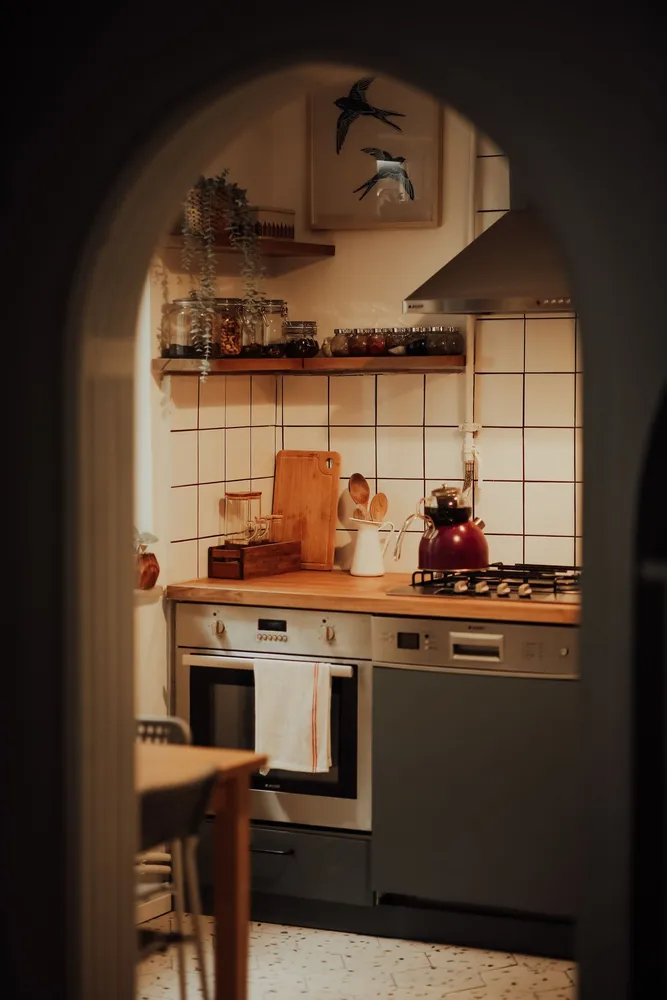
Lifestyle photography by Max Vakhtbovych / Pexels. The photograph illustrates a home setting; it does not identify a reviewed product.
Picture vegetable prep competes with a dish rack and the only open counter is narrower than the board you own. A useful setup starts with vegetables, bread, cooked food, and raw ingredients that need separate handling, rather than a shopping list built around somebody else’s room. This guide looks at the purchase through the daily task it needs to support.
For simple meals in a narrow space, prioritize a steady work surface sized for your routine. Before committing to larger prep board, check whether its advantage for batch chopping with adequate support matters in your household. The choices here are planning recommendations based on the use case and published official shopping categories; we have not performed hands-on tests of a specific model.
In this guide
Start with the everyday problem
Begin by taking a practical inventory: measure the actual preparation area and the sink or washing space before choosing a board. Then keep a manageable everyday board available and use separate suitable boards or cleaning steps for raw and ready-to-eat food. The scope is vegetables, bread, cooked food, and raw ingredients that need separate handling, so exclude unrelated objects before calculating the capacity you need.
Small kitchens require a board that fits the work area without forcing awkward knife movements. Measure the counter where chopping normally happens rather than a larger stretch temporarily occupied by appliances. Decide whether you usually cut a single onion or prepare several vegetables at once. A compact board can handle modest meals, provided chopped ingredients move to a bowl as needed. Batch preparation may justify a larger board only when there is a stable supported surface for it.
Measure the fit that matters
The important fit checks are board width, storage height, sink clearance, and the working space required around your knife hand. Compare the manufacturer’s exact dimensions with those measurements, including the movement needed to retrieve, open, carry, or clean the chosen item. For compact board, access is as important as the space it occupies.
The washing location matters as much as the preparation location. A board that must be balanced diagonally in a tiny sink can become tedious to clean after every meal. Check storage too: a wide board may fit the counter but block the cupboard door or have nowhere suitable to dry. Include the hand clearance needed to lift it from a narrow slot. Do not use a board to bridge an unsupported opening simply because its overall width seems convenient.
Choose a format around the task
The first format, compact board, suits simple meals in a narrow space; its tradeoff is that ingredients may need to move to bowls sooner. The alternative, larger prep board, suits batch chopping with adequate support, while it requires more washing and storage space. Material priorities for this situation are a material you will maintain according to its manufacturer instructions, rather than one selected solely for appearance.
Select a material whose cleaning and maintenance instructions you will follow. Product guidance determines dishwasher suitability and any care routine; appearances alone do not. A wooden-looking finish may belong to a serving item with a different purpose from a daily chopping board. Check the intended use of the exact model. For food preparation, organize raw and ready-to-eat tasks with suitable separation and cleaning, rather than treating one attractive board as an excuse to skip safe handling steps.
Spend on the useful feature
Direct the budget toward a steady work surface sized for your routine. Put a giant serving board when the priority is daily chopping lower on the list, because it is not the first obstacle in this scenario. The purchase to avoid is an oversized board that bridges an unsupported gap or prevents safe comfortable knife work. A small targeted improvement is easier to evaluate than changing the entire setup simultaneously.
A stable manageable board is worth prioritizing over a large presentation piece. Handles, grooves, and hanging holes can be helpful, but each occupies some space and may influence the usable area. A groove that catches juices also needs cleaning. Consider whether the board works with the pans and bowls receiving chopped ingredients. If you routinely sweep vegetables into a small bowl, an oversized heavy board may introduce another awkward transfer instead of making the meal faster.
Keep the system useful after the first week
Build upkeep into the routine: clean after each task, allow the board to dry appropriately, and replace it when its condition makes effective cleaning difficult. When the arrangement gets crowded, return to its intended contents: vegetables, bread, cooked food, and raw ingredients that need separate handling. Confirm that everything still has a sensible home and that the next person can use compact board without dismantling the rest of the space.
Give the board an appropriate drying position after washing and inspect its condition regularly. Follow its manufacturer instructions about replacement and maintenance rather than assuming a particular material lasts indefinitely. A board that becomes difficult to clean or no longer sits properly deserves attention. Keep serving boards separate when their finishes or care differ from preparation boards. In a limited kitchen, one well-chosen daily tool and a clear cleaning routine often earn more space than several seldom-used decorative surfaces.
Compare your options
| Option | Best fit | Tradeoff |
|---|---|---|
| Compact board | simple meals in a narrow space | Ingredients may need to move to bowls sooner |
| Larger prep board | batch chopping with adequate support | It requires more washing and storage space |
Where to browse
Use these retailer collections to compare dimensions, materials, care instructions and current prices. These are ordinary retailer links unless an active affiliate arrangement is disclosed. We do not control availability, shipping or returns.
Questions before you buy
Is a serving board always suitable for chopping?
Check the product’s intended use and care instructions. A decorative surface or finish may not be designed for repeated knife work or the same washing routine as a cutting board.
What is the main reason to choose compact board here?
Its clearest use is simple meals in a narrow space. The alternative can be useful for batch chopping with adequate support, so weigh that specific routine against the tradeoff: it requires more washing and storage space. Before ordering, check board width, storage height, sink clearance, and the working space required around your knife hand on the exact listing rather than relying on category photographs.
Sources & further reading
- OXO official kitchenware categories, consulted for available formats
- IKEA official cutting board category
Sources checked October 8, 2026. Practical suggestions reflect editorial judgment; always follow the instructions supplied with your own product.