Everyday Dinnerware for a Small Home That Still Hosts Friends
Practical choices for adding replacement or extra pieces selectively, with fit checks, everyday tradeoffs, and a buying plan that puts useful features first.
Our guidance is based on published information and household scenarios, rather than hands-on product testing. Some links may earn a commission when an affiliate relationship applies. Read our disclosure.

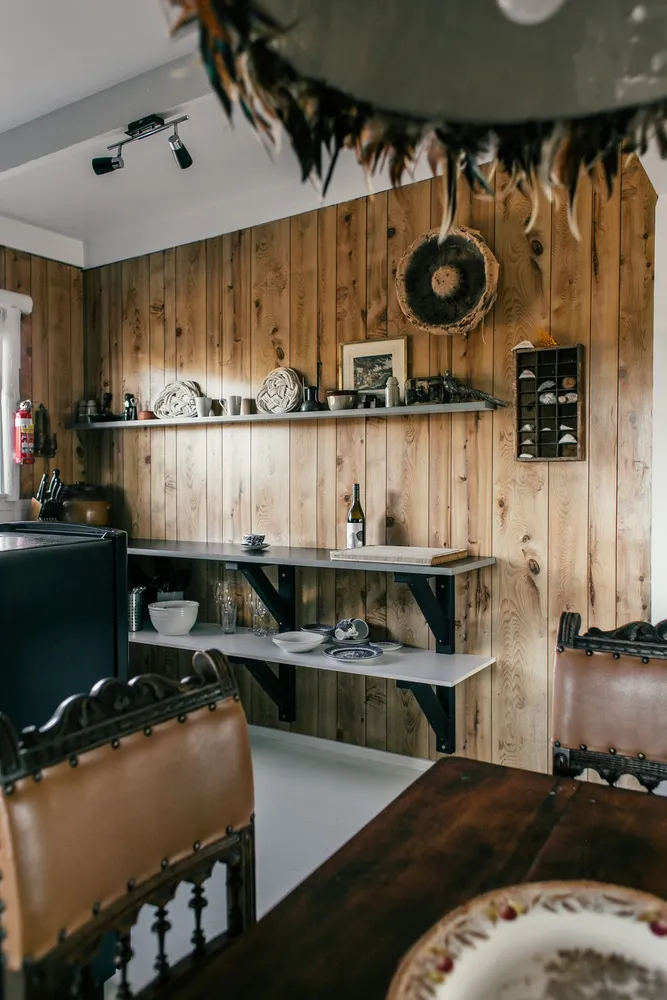
Lifestyle photography by thiha soe / Pexels. The photograph illustrates a home setting; it does not identify a reviewed product.
Picture two people eat at home most nights and invite a few friends over without space for a formal service. A useful setup starts with dinner plates, useful bowls, smaller plates, and the occasional extra setting, rather than a shopping list built around somebody else’s room. This guide looks at the purchase through the daily task it needs to support.
For adding replacement or extra pieces selectively, prioritize extra pieces in the bowl shape you actually use. Before committing to boxed dinnerware service, check whether its advantage for starting with coordinated basic settings matters in your household. The choices here are planning recommendations based on the use case and published official shopping categories; we have not performed hands-on tests of a specific model.
In this guide
Start with the everyday problem
Begin by taking a practical inventory: count normal diners and your realistic hosting pattern before choosing a boxed service. Then buy everyday shapes that handle several meals and keep occasional serving pieces separate from the main stack. The scope is dinner plates, useful bowls, smaller plates, and the occasional extra setting, so exclude unrelated objects before calculating the capacity you need.
Start with the meals you eat most often. Deep bowls may earn more use than small side plates in a household serving soups, rice bowls, and pasta. A boxed service can appear efficient while supplying cups nobody wants and too few useful bowls. Count daily diners and a realistic number of guests, then identify the extra pieces required for that pattern. Serving from existing suitable dishes can reduce the need for a separate entertaining collection.
Measure the fit that matters
The important fit checks are plate diameter, dishwasher rack spacing, cupboard depth, and the height of the complete stack. Compare the manufacturer’s exact dimensions with those measurements, including the movement needed to retrieve, open, carry, or clean the chosen item. For open-stock dinnerware, access is as important as the space it occupies.
Check plate diameter against cupboards and dishwasher racks before buying. A broad rim can occupy significant space without increasing the useful food area. Bowls vary in how they nest, and a tall stack may become awkward to lift even when each piece is manageable. Compare the complete storage arrangement rather than a single plate sitting on a table. If a microwave is part of the routine, confirm both physical fit and the specific product’s permitted use.
Choose a format around the task
The first format, open-stock dinnerware, suits adding replacement or extra pieces selectively; its tradeoff is that availability of matching pieces can change. The alternative, boxed dinnerware service, suits starting with coordinated basic settings, while the assortment may include unused shapes. Material priorities for this situation are dinnerware whose manufacturer guidance matches your microwave or dishwasher habits, with a finish you are comfortable maintaining.
Open-stock ranges let you select the actual quantity of each shape. They may also offer a route to replacement pieces, although ongoing availability should never be assumed. Boxed services simplify coordination when the included assortment is a good match. Read manufacturer care guidance for the exact finish and pattern, especially when the dishwasher or microwave will be used. A matching visual appearance does not establish that every piece in a mixed collection has the same care requirements.
Spend on the useful feature
Direct the budget toward extra pieces in the bowl shape you actually use. Put specialty plates for a single annual occasion lower on the list, because it is not the first obstacle in this scenario. The purchase to avoid is a huge coordinated service that stores rarely used cups while the useful bowls run out. A small targeted improvement is easier to evaluate than changing the entire setup simultaneously.
Buy additional pieces in the shape that runs out during normal use. If bowls are always waiting for the dishwasher while side plates stay untouched, adding more side plates will not fix the problem. A modest mixed collection can look coherent through size, tone, or shape without being identical. Spend on practical proportions and manageable handling before decorative serving pieces. Guests usually need a comfortable plate and enough useful utensils more than they need a separate formal set.
Keep the system useful after the first week
Build upkeep into the routine: stack carefully, inspect chipped pieces, and follow care guidance rather than assuming every pattern is dishwasher suitable. When the arrangement gets crowded, return to its intended contents: dinner plates, useful bowls, smaller plates, and the occasional extra setting. Confirm that everything still has a sensible home and that the next person can use open-stock dinnerware without dismantling the rest of the space.
Inspect pieces during washing and follow the maker’s guidance for chips or damage. Store frequently used bowls where they can be lifted without reaching over a tall plate stack. When hosting patterns change, reassess quantities instead of replacing the entire collection. Keep a clear limit for the cupboard so acquiring one new design does not force unstable stacking. Everyday dinnerware is successful when meals and cleanup feel uncomplicated, and the occasional gathering fits into the same practical household routine.
Compare your options
| Option | Best fit | Tradeoff |
|---|---|---|
| Open-stock dinnerware | adding replacement or extra pieces selectively | Availability of matching pieces can change |
| Boxed dinnerware service | starting with coordinated basic settings | The assortment may include unused shapes |
Where to browse
Use these retailer collections to compare dimensions, materials, care instructions and current prices. These are ordinary retailer links unless an active affiliate arrangement is disclosed. We do not control availability, shipping or returns.
Questions before you buy
Should every dish match?
A coherent size and practical stacking shape can matter more than a perfect visual match. If mixing pieces, check the storage footprint and the way they sit together before adding more.
What is the main reason to choose open-stock dinnerware here?
Its clearest use is adding replacement or extra pieces selectively. The alternative can be useful for starting with coordinated basic settings, so weigh that specific routine against the tradeoff: the assortment may include unused shapes. Before ordering, check plate diameter, dishwasher rack spacing, cupboard depth, and the height of the complete stack on the exact listing rather than relying on category photographs.
Sources & further reading
Sources checked October 8, 2026. Practical suggestions reflect editorial judgment; always follow the instructions supplied with your own product.