Meal-Prep Containers for Lunches You Actually Want to Pack
Practical choices for flexible leftovers and mixed meals, with fit checks, everyday tradeoffs, and a buying plan that puts useful features first.
Our guidance is based on published information and household scenarios, rather than hands-on product testing. Some links may earn a commission when an affiliate relationship applies. Read our disclosure.
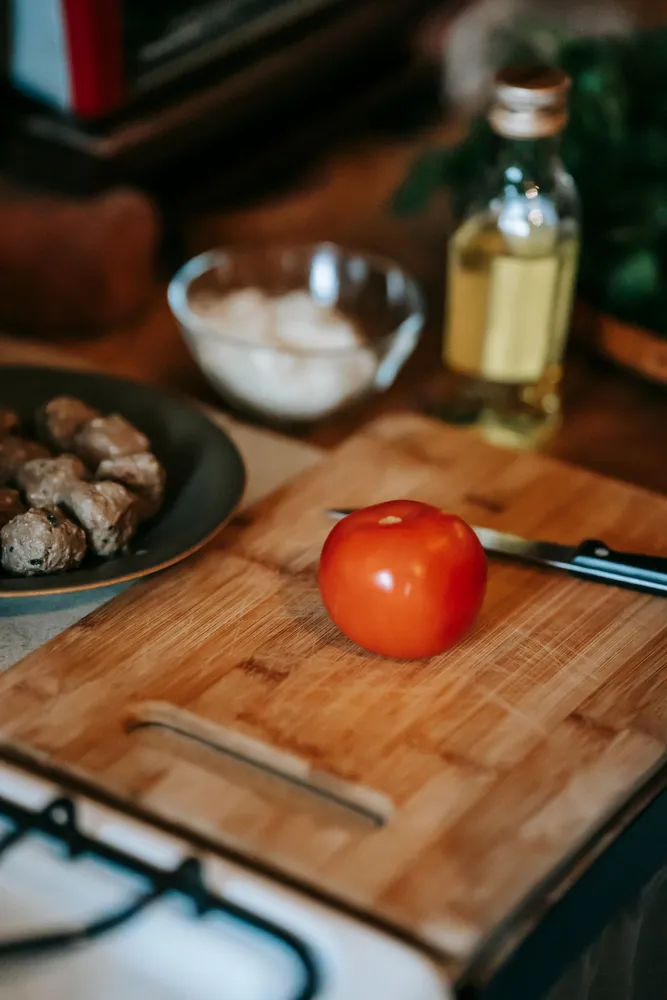
Lifestyle photography by Gary Barnes / Pexels. The photograph illustrates a home setting; it does not identify a reviewed product.
Picture Sunday cooking ends with a saucepan of rice, roasted vegetables, and five work lunches still needing a home. A useful setup starts with prepared meals, sauces, salad toppings, and leftovers meant for another evening, rather than a shopping list built around somebody else’s room. This guide looks at the purchase through the daily task it needs to support.
For flexible leftovers and mixed meals, prioritize reliable closures and a shape that fits the lunch bag. Before committing to divided meal container, check whether its advantage for foods you prefer to keep separate matters in your household. The choices here are planning recommendations based on the use case and published official shopping categories; we have not performed hands-on tests of a specific model.
In this guide
Start with the everyday problem
Begin by taking a practical inventory: list the portions you truly take to work and check the dimensions of the bag and refrigerator shelf. Then choose a main-meal size and a smaller sauce size, then keep lids with their matching containers. The scope is prepared meals, sauces, salad toppings, and leftovers meant for another evening, so exclude unrelated objects before calculating the capacity you need.
A lunch container has to work at several stages: filling it after cooking, storing it in the refrigerator, carrying it to work, and washing it before the next batch. Decide which stage is causing trouble. A heavy box may be fine for leftovers eaten at home but unpleasant in a walking commute. A divided container may prevent ingredients mixing yet be inconvenient for a stew. Start with the meals you already enjoy rather than reshaping them around a fashionable set.
Measure the fit that matters
The important fit checks are usable internal volume, lid clearance, lunch-bag dimensions, and the weight of a full container. Compare the manufacturer’s exact dimensions with those measurements, including the movement needed to retrieve, open, carry, or clean the chosen item. For single-compartment box, access is as important as the space it occupies.
Fill an existing container with a normal portion to understand the size you need. Published capacity does not always describe how a meal fits beneath a lid or inside fixed compartments. Measure the lunch bag with any ice pack you use in place. Look at the refrigerator arrangement too; tall containers can force shelf changes that make other foods awkward to store. Buying a useful repeat size often works better than accumulating a wide assortment of mismatched shapes.
Choose a format around the task
The first format, single-compartment box, suits flexible leftovers and mixed meals; its tradeoff is that you may need a separate sauce cup. The alternative, divided meal container, suits foods you prefer to keep separate, while the fixed compartments restrict portion sizes. Material priorities for this situation are glass when weight is acceptable and its instructions suit your use, or food-storage plastic labeled for the intended temperature.
Glass and plastic formats involve different handling priorities. Glass may suit a home routine when its stated use and weight are acceptable, while suitable food-storage plastic can be practical for carrying meals. Check the exact container and lid instructions for the intended refrigeration, freezing, reheating, and cleaning method. Do not infer permissions from the material alone. A lid may need separate handling from its base, and a decorative storage jar is not automatically a meal-prep container.
Spend on the useful feature
Direct the budget toward reliable closures and a shape that fits the lunch bag. Put extra compartments when you prefer mixing your meal together lower on the list, because it is not the first obstacle in this scenario. The purchase to avoid is a large assorted set with many tiny pieces but too few useful lunch-sized containers. A small targeted improvement is easier to evaluate than changing the entire setup simultaneously.
Inspect closures and any removable seals because they affect everyday cleaning and packing. If you carry sauces, compare the manufacturer’s description of the closure instead of assuming a snap lid will manage every liquid. Buy a few containers in the useful meal size before committing to a large set. Small sauce cups are helpful only when sauces actually travel separately. Keep a realistic reserve for a container still in the wash rather than purchasing for an imagined month of batch cooking.
Keep the system useful after the first week
Build upkeep into the routine: wash all seals and lid grooves as directed and let every part dry before stacking. When the arrangement gets crowded, return to its intended contents: prepared meals, sauces, salad toppings, and leftovers meant for another evening. Confirm that everything still has a sensible home and that the next person can use single-compartment box without dismantling the rest of the space.
Food safety remains separate from organization. Consult USDA’s current leftovers guidance for cooling, refrigeration, reheating, and storage limits, and follow your appliance instructions. Date prepared meals so the oldest appropriate portion is identifiable. Do not let tidy matching boxes encourage keeping food beyond its safe storage period. Wash lid grooves and seals according to the product instructions, dry parts before storing them, and retire damaged pieces when their condition prevents suitable cleaning or reliable intended use.
Compare your options
| Option | Best fit | Tradeoff |
|---|---|---|
| Single-compartment box | flexible leftovers and mixed meals | You may need a separate sauce cup |
| Divided meal container | foods you prefer to keep separate | The fixed compartments restrict portion sizes |
Where to browse
Use these retailer collections to compare dimensions, materials, care instructions and current prices. These are ordinary retailer links unless an active affiliate arrangement is disclosed. We do not control availability, shipping or returns.
Questions before you buy
Can a storage container go straight into the oven?
Only when the manufacturer expressly allows the container and intended temperature. Check the lid separately and follow guidance about sudden temperature changes.
What is the main reason to choose single-compartment box here?
Its clearest use is flexible leftovers and mixed meals. The alternative can be useful for foods you prefer to keep separate, so weigh that specific routine against the tradeoff: the fixed compartments restrict portion sizes. Before ordering, check usable internal volume, lid clearance, lunch-bag dimensions, and the weight of a full container on the exact listing rather than relying on category photographs.
Sources & further reading
- OXO official kitchenware categories, consulted for available formats
- USDA Food Safety and Inspection Service: leftovers and food safety
Sources checked October 8, 2026. Practical suggestions reflect editorial judgment; always follow the instructions supplied with your own product.