Mixing Bowls for Baking Without Filling Another Cupboard
Practical choices for several sizes stored in one footprint, with fit checks, everyday tradeoffs, and a buying plan that puts useful features first.
Our guidance is based on published information and household scenarios, rather than hands-on product testing. Some links may earn a commission when an affiliate relationship applies. Read our disclosure.
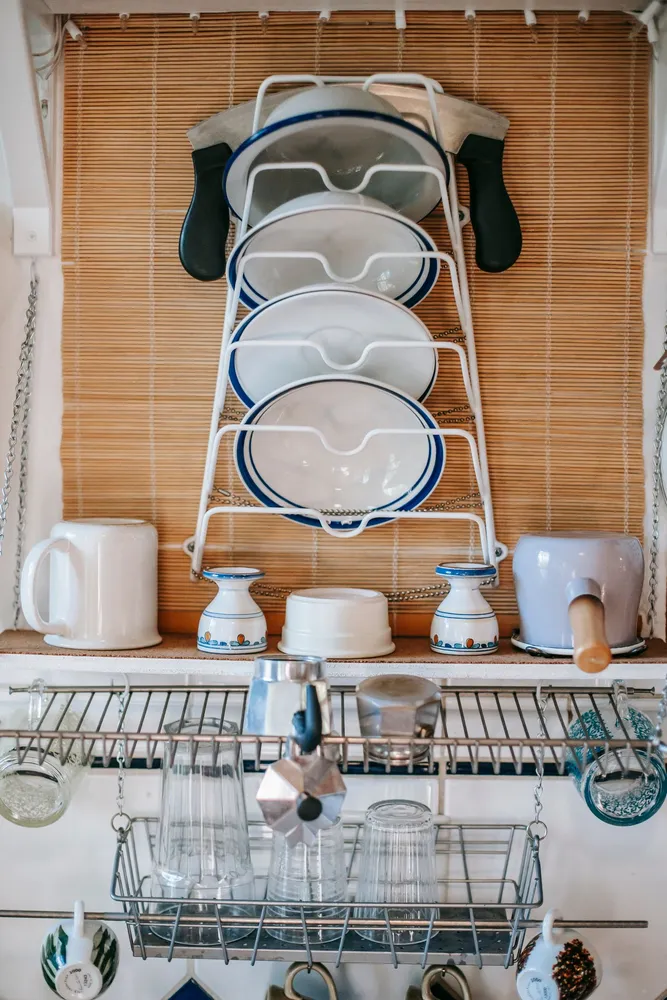
Lifestyle photography by Charlotte May / Pexels. The photograph illustrates a home setting; it does not identify a reviewed product.
Picture a weekend batch of muffins needs wet and dry ingredient bowls but your cupboard is already full. A useful setup starts with batter, dry ingredients, whisked dressings, and foods that need temporary preparation space, rather than a shopping list built around somebody else’s room. This guide looks at the purchase through the daily task it needs to support.
For several sizes stored in one footprint, prioritize a rim you can hold and enough depth for your usual mixing motion. Before committing to two individually chosen bowls, check whether its advantage for a limited menu of familiar recipes matters in your household. The choices here are planning recommendations based on the use case and published official shopping categories; we have not performed hands-on tests of a specific model.
In this guide
Start with the everyday problem
Begin by taking a practical inventory: identify the largest normal recipe and check which bowls you already own can handle smaller tasks. Then choose a useful large bowl plus a smaller companion rather than automatically collecting every intermediate size. The scope is batter, dry ingredients, whisked dressings, and foods that need temporary preparation space, so exclude unrelated objects before calculating the capacity you need.
Bowls serve several roles during baking, but those roles do not always require a large set. A muffin recipe might need one roomy bowl for dry ingredients and another for the wet mixture, while a dressing uses a small existing bowl. Inventory what already works before adding more. Choose the largest normal recipe as the capacity reference, not the biggest bake you imagine attempting someday. This makes the cupboard commitment proportionate to the baking routine.
Measure the fit that matters
The important fit checks are bowl height, cupboard opening, mixing clearance, and the diameter required for your whisk or mixer. Compare the manufacturer’s exact dimensions with those measurements, including the movement needed to retrieve, open, carry, or clean the chosen item. For nested bowl set, access is as important as the space it occupies.
Mixing needs space above the ingredients. A bowl filled nearly to its brim may have adequate stated volume but make whisking messy. Consider the tools used and the movement they require. Check the cupboard opening with the full nested stack, since retrieving one bowl might mean lifting several. The sink dimensions matter for a large bowl too. If washing becomes awkward every weekend, a generous capacity can create more inconvenience than the recipe required.
Choose a format around the task
The first format, nested bowl set, suits several sizes stored in one footprint; its tradeoff is that retrieval can require unstacking. The alternative, two individually chosen bowls, suits a limited menu of familiar recipes, while individual bowls may nest less neatly. Material priorities for this situation are a material suited to your preparation method and cleaning routine, with a shape you can grip securely.
Material choices should match preparation and care instructions. Check whether the exact bowl is intended for the temperature conditions, microwave use, or cleaning method involved. A lid does not automatically turn a mixing bowl into an appropriate container for every storage task. A secure grip and shape you can hold are practical priorities during stirring and pouring. Some cooks prefer a stable base, while others value an easily tilted rim; consider the way you actually combine ingredients.
Spend on the useful feature
Direct the budget toward a rim you can hold and enough depth for your usual mixing motion. Put extra miniature bowls when existing cups handle your ingredient staging lower on the list, because it is not the first obstacle in this scenario. The purchase to avoid is a heavy nested set that must be lifted as a group to retrieve the most-used bowl. A small targeted improvement is easier to evaluate than changing the entire setup simultaneously.
A pair of individually chosen sizes may be more useful than six incremental sizes. Sets can save storage footprint through nesting, yet the smallest bowls may duplicate cups already in the kitchen. Think about simultaneous use: if two recipes need the same medium size, variety alone does not solve the shortage. Pay for the size and handling feature that supports the bake. Matching colors and extra lids add value only when they contribute to preparation or suitable storage.
Keep the system useful after the first week
Build upkeep into the routine: dry nesting bowls before stacking and store lids together when they belong to the selected set. When the arrangement gets crowded, return to its intended contents: batter, dry ingredients, whisked dressings, and foods that need temporary preparation space. Confirm that everything still has a sensible home and that the next person can use nested bowl set without dismantling the rest of the space.
Dry bowls before nesting and put any associated lids where they can be identified easily. If the stack becomes too heavy or awkward, separate the most-used bowl into an accessible spot. Keep a modest staging plan for measured ingredients instead of setting out every bowl simply because it came in the package. Once a few baking sessions have shown how the selection works, add another size only if a recurring task remains inconvenient. The cupboard need not grow with every new recipe.
Compare your options
| Option | Best fit | Tradeoff |
|---|---|---|
| Nested bowl set | several sizes stored in one footprint | Retrieval can require unstacking |
| Two individually chosen bowls | a limited menu of familiar recipes | Individual bowls may nest less neatly |
Where to browse
Use these retailer collections to compare dimensions, materials, care instructions and current prices. These are ordinary retailer links unless an active affiliate arrangement is disclosed. We do not control availability, shipping or returns.
Questions before you buy
Do mixing bowls need lids?
Lids help only when the bowl is also used for suitable temporary storage. Check fit and food-storage guidance instead of paying for lids that stay unused in another drawer.
What is the main reason to choose nested bowl set here?
Its clearest use is several sizes stored in one footprint. The alternative can be useful for a limited menu of familiar recipes, so weigh that specific routine against the tradeoff: individual bowls may nest less neatly. Before ordering, check bowl height, cupboard opening, mixing clearance, and the diameter required for your whisk or mixer on the exact listing rather than relying on category photographs.
Sources & further reading
Sources checked October 8, 2026. Practical suggestions reflect editorial judgment; always follow the instructions supplied with your own product.