A Side Table for a Small Living Room
Choose a small living-room side table by reach, stability, clearance and everyday objects, including tradeoffs between shelves and open space.
Our guidance is based on published information and household scenarios, rather than hands-on product testing. Some links may earn a commission when an affiliate relationship applies. Read our disclosure.
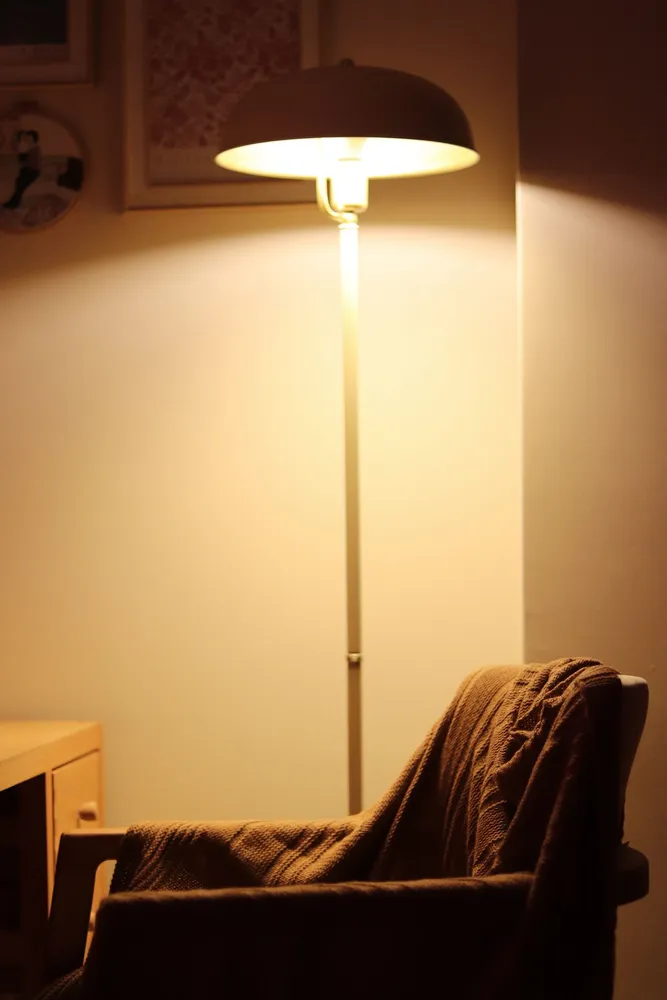
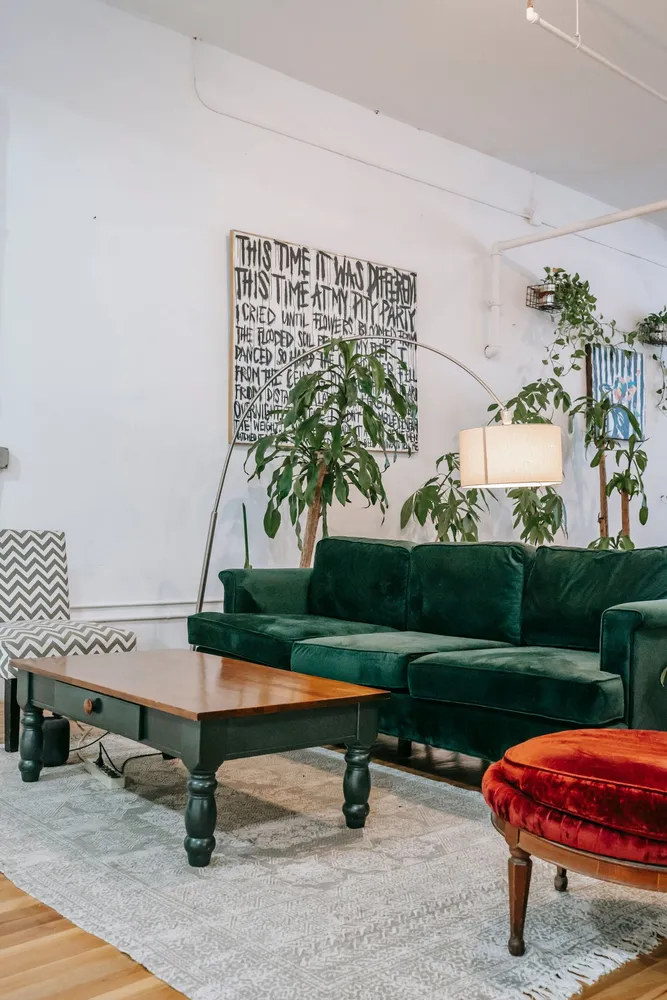
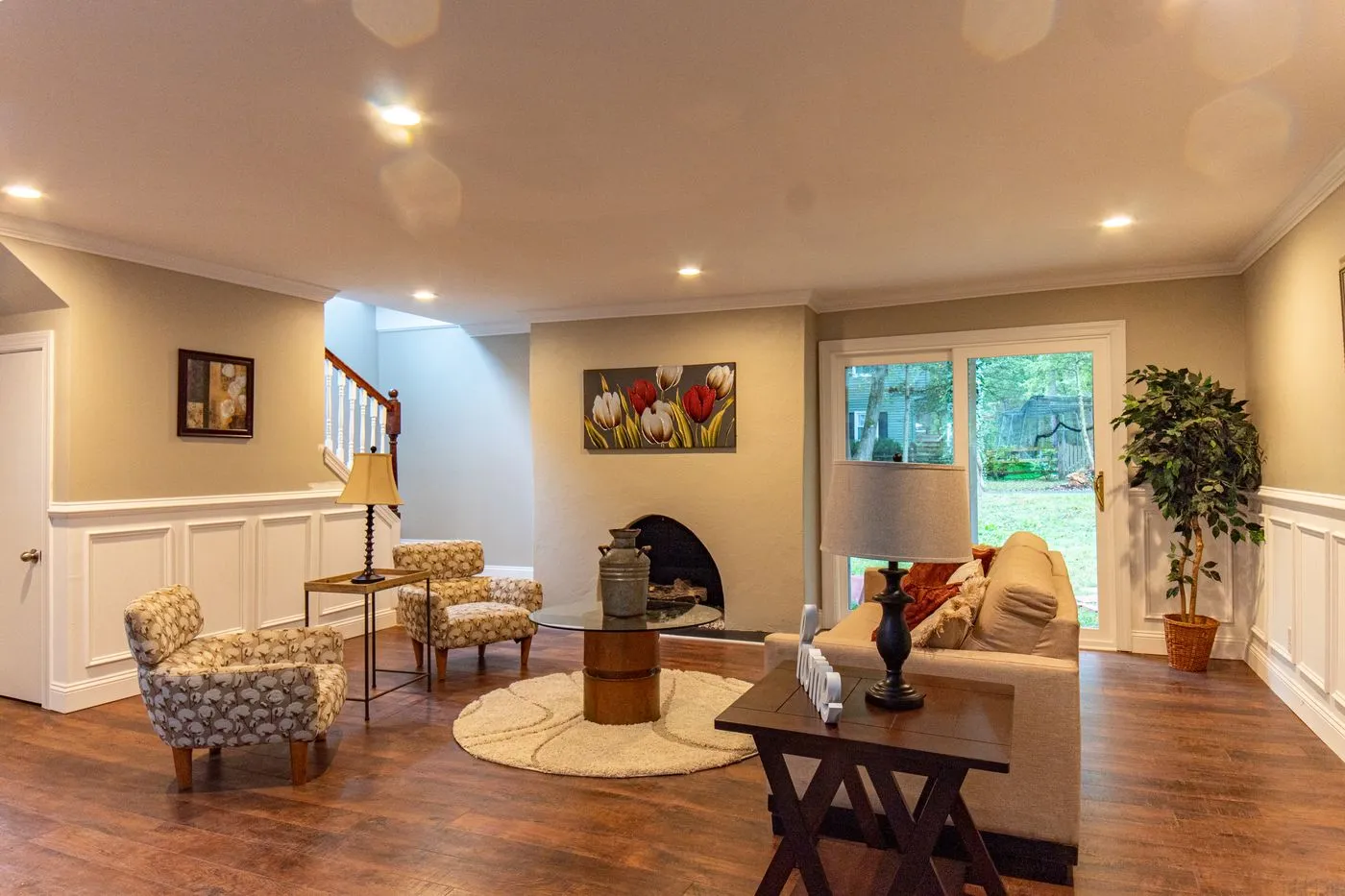
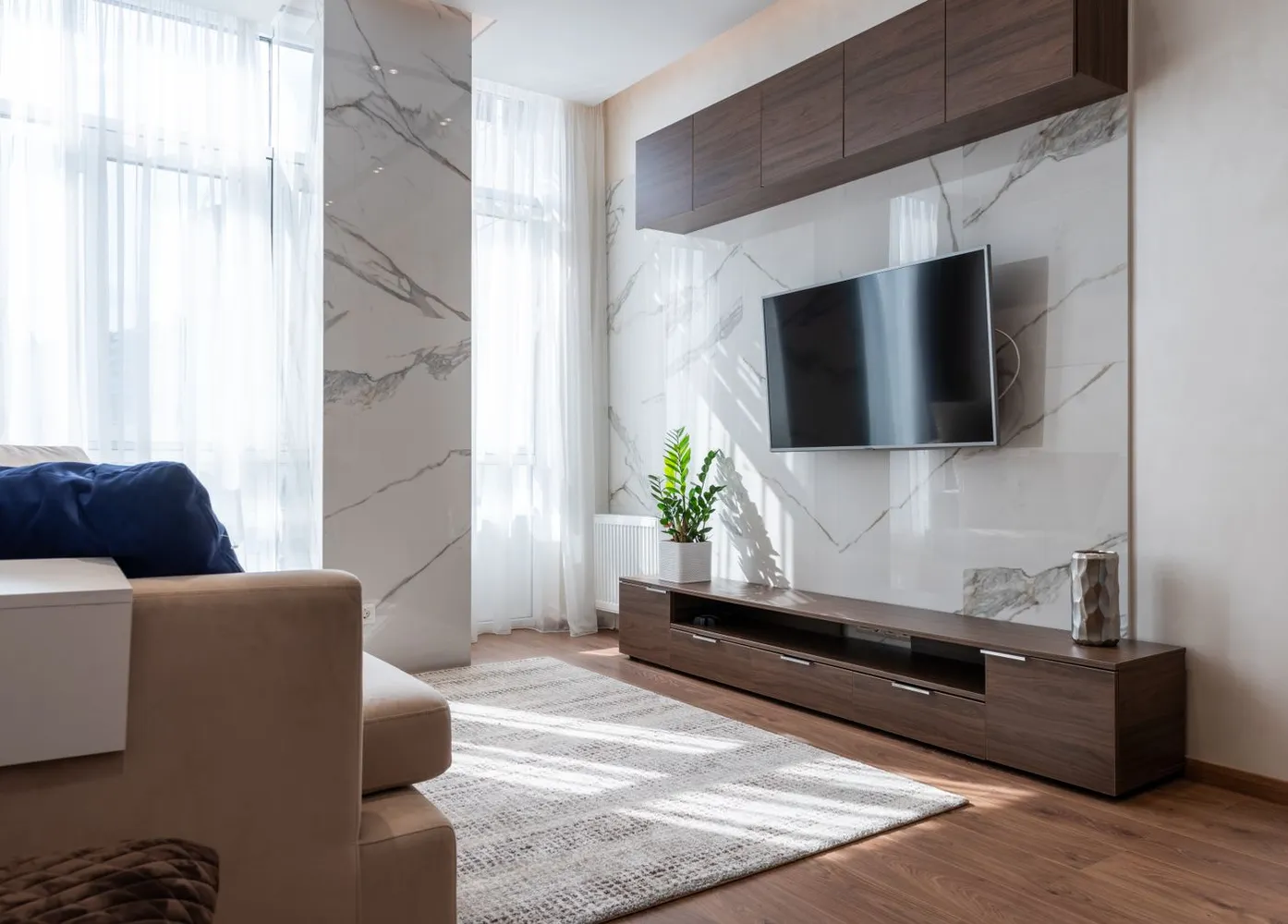
Lifestyle photography by Rümeysa / Pexels. The photograph illustrates a home setting; it does not identify a reviewed product.
In a small living room, the side table is often where a cup, remote, book and phone compete for a little surface. A table that is too far from the sofa is inconvenient; one that projects into the walkway is a nuisance. Start with the things that need a landing place, then measure the available space from the seat rather than from an empty corner.
In this guide
Measure from the position you use
Sit on the sofa and identify the comfortable reach for placing a drink. Compare that point with the height and footprint of candidate tables. Sofa arms differ, so a generic table-height rule may not describe your setup. The table should make the daily action easier without requiring a long stretch or awkward lean.
Mark the table footprint with tape that is safe for the floor and walk past it as usual. Check nearby doors, reclining furniture and access to a drawer or cabinet. A narrow table can fit an apparent gap while still interfering with a moving piece. Include those movements in the plan before deciding the measurements are sufficient.
Choose the surface around real objects
Set out the cup, book and remote you usually keep nearby. Estimate the useful surface they require and whether a lamp will share the table. A very small top can be attractive, but its limits should be clear. If a lamp occupies most of it, you may need a different lighting location rather than a larger collection of tables.
A lower shelf can hold a current book or a small basket, yet it can also become a place for forgotten papers. Decide what will live there before treating extra storage as an advantage. Open tables can be easier to keep visually light, while enclosed storage can hide necessities at the cost of making them less immediately visible.
Inspect stability and material care
Read the manufacturer's stated use and care guidance. A table is not automatically suitable as a seat, step or support for a heavy object. Check construction and load information where relevant, especially for designs with removable trays or unusual bases. A practical tabletop still needs a stable arrangement on your particular floor.
Choose a surface you are willing to maintain. Follow the product's directions for spills, cleaning and protective coasters. A finish that needs extra care may be worthwhile when you appreciate its appearance, but it should not surprise you after the first drink. Avoid assuming that every wood-look or stone-look surface has the same care requirements as the material it resembles.
Consider mobility without losing purpose
A lightweight table can move beside different seats, which is helpful in a room that changes for guests. Nesting tables can provide an extra surface occasionally and tuck together afterward. Check the dimensions when nested and when separated; the useful footprint is different in each arrangement.
If the table moves frequently, consider how you will carry it and whether the top is secure according to the design. A removable tray has its own use limitations. Do not carry a loaded table as though it were a serving tray unless the manufacturer intends that use. Flexible furniture works best when its handling is straightforward and understood.
Buy one landing place before several accessories
Compare complete costs, including delivery and any needed assembly tools. If the current coffee table is reachable and the only problem is clutter, a reset may be enough. If a side table solves a genuine reach problem, keep the initial purchase focused on that surface rather than adding coordinating ornaments.
Review assembly directions and the seller's return conditions before ordering. Check dimensions on arrival and assess the table with your actual sofa. A table earns its place when everyday items have a convenient home and the path through the room stays clear. Once that works, styling can remain simple: the necessary objects and perhaps one small item you enjoy.
Compare your options
| Option | Best fit | Tradeoff |
|---|---|---|
| Open compact table | A clear landing place with a lighter appearance | Limited hidden storage |
| Table with shelf or drawer | Keeping small necessities together | Extra storage can attract clutter |
| Nesting tables | Occasional extra surfaces for guests | Both deployed tables need floor space |
Where to browse
Use these retailer collections to compare dimensions, materials, care instructions and current prices. These are ordinary retailer links unless an active affiliate arrangement is disclosed. We do not control availability, shipping or returns.
Questions before you buy
Should the table match the coffee table?
It can, but matching is optional. Reach, footprint and care are more useful filters, and a related material or color can connect different pieces.
Can a side table serve as a stool?
Only if it is explicitly designed and rated for that use. Follow the manufacturer's directions rather than treating a sturdy-looking surface as seating.
Sources & further reading
Sources checked October 8, 2026. Practical suggestions reflect editorial judgment; always follow the instructions supplied with your own product.